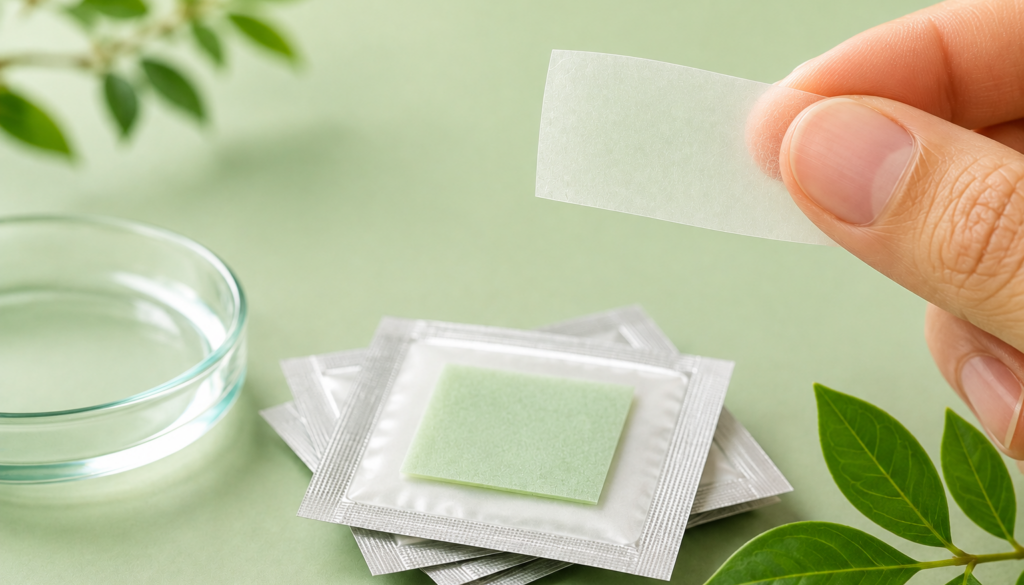
Orodispersible Film: Development, Manufacturing & Quality Guide
An orodispersible film is a specialised oral dosage format designed to disintegrate or dissolve in the mouth according to its formulation and intended performance requirements. Pharmaceutical and nutraceutical companies explore oral films when developing alternative dosage formats for suitable active ingredients and nutritional compounds.
Successful orodispersible film development requires careful planning across formulation, manufacturing, quality assurance, packaging and stability. Each stage can influence the finished product’s performance, consistency and suitability for commercial production.
For businesses evaluating an oral film manufacturing project, understanding these technical considerations helps establish a clear product development strategy. Selecting a suitable development partner can also support feasibility assessment, process optimisation and scale-up planning.
What Is an Orodispersible Film?
An orodispersible film is a thin oral dosage form designed to disintegrate or dissolve under defined conditions in the oral cavity. Its performance depends on the formulation, ingredients, manufacturing process and product specifications.
Unlike conventional tablets or capsules, an oral film is typically designed as a thin, flexible sheet. Depending on its intended use, it may contain a pharmaceutical active ingredient or a suitable nutritional compound.
The formulation must balance several characteristics, including flexibility, strength, thickness, taste, moisture sensitivity and the required dissolution or disintegration behaviour.
An orodispersible film project should begin with a clearly defined target product profile. This profile typically identifies the intended application, ingredient specifications, target strength, film dimensions, flavour, packaging requirements and target market.
Establishing these requirements early helps development teams assess technical feasibility and identify potential manufacturing challenges before moving to pilot production.
How an Orodispersible Film Works
An orodispersible film is designed to interact with moisture in the oral environment and undergo the intended dissolution or disintegration process. The actual behaviour depends on the product’s composition and design.
Film-forming polymers provide the structural foundation, while plasticisers may help achieve the required flexibility and handling characteristics. Other excipients can support taste, processing and product performance.
Several factors influence how the finished film behaves:
- Formulation composition: Ingredient selection affects the physical and functional properties of the film.
- Film thickness: Thickness can influence handling, consistency and dissolution behaviour.
- Moisture content: Moisture can affect flexibility, stability and storage performance.
- Ingredient compatibility: Components must remain suitable when combined under the intended processing and storage conditions.
- Manufacturing parameters: Mixing, coating, drying and cutting conditions influence the finished product.
During development, these factors should be evaluated through appropriate testing. The objective is to establish a reproducible process that consistently delivers a product meeting its predefined specifications.
Orodispersible Film Formulation Development
Formulation development is one of the most important stages of oral film manufacturing. A suitable formulation must meet the product’s performance requirements while remaining compatible with the selected production process.
Film-Forming Polymers
Film-forming polymers provide the basic structure of an orodispersible film. Their properties can influence flexibility, strength, film formation and handling.
Polymer selection depends on the intended product, ingredient compatibility, processing requirements and desired film characteristics. Formulation trials can help determine whether the selected polymer system is suitable for the project.
Plasticisers and Supporting Excipients
Plasticisers may be used to adjust flexibility and reduce brittleness. Their concentration must be evaluated because excessive or insufficient amounts can affect film properties.
Other supporting excipients may be required to achieve suitable processing characteristics, taste or product performance. Each ingredient should be assessed for compatibility with the complete formulation.
Active Ingredient Compatibility
The active ingredient or nutritional compound can influence formulation feasibility. Solubility, concentration, stability, taste and interactions with other ingredients should be considered during development.
The selected formulation must also support appropriate ingredient distribution and the required finished-product specifications.
Taste and Sensory Considerations
Taste can be particularly important for products that remain in the mouth during disintegration or dissolution. Depending on the formulation, flavouring agents, sweeteners or other suitable taste-masking strategies may be evaluated.
Sensory considerations should be balanced with stability, ingredient compatibility and manufacturing performance.
A structured formulation development programme helps identify suitable ingredient combinations before the process advances to pilot-scale manufacturing.
Orodispersible Film Manufacturing Process
The manufacturing process for an orodispersible film depends on the formulation, equipment and product requirements. A typical film-based process may involve the following stages.
1. Raw Material Preparation
Raw materials are checked against established specifications before use. Material quality and handling can influence formulation consistency and finished-product performance.
2. Formulation Mixing
The ingredients are combined using a defined mixing procedure. Appropriate mixing conditions help achieve a consistent formulation and suitable distribution of the required components.
3. Film Casting or Coating
The prepared formulation may be applied to a suitable surface through casting or coating. Process conditions can affect film thickness, uniformity and physical characteristics.
4. Controlled Drying
The coated formulation is dried under established conditions. Drying parameters should be evaluated because they can influence residual moisture, flexibility and film handling.
5. Film Cutting
After suitable processing, the film is cut into the required dimensions. Cutting accuracy and consistency should be monitored to meet the product’s specifications.
6. Packaging
The finished film is transferred into a suitable packaging system. Packaging selection should consider moisture sensitivity, storage conditions and the product’s intended shelf life.
7. Finished-Product Testing
The finished orodispersible film is assessed against its predefined quality requirements. Depending on the product, testing may include appearance, dimensions, weight, ingredient content, moisture, mechanical properties, dissolution or disintegration, and stability.
These stages must be adapted to the specific product and manufacturing process. Pilot trials can help establish suitable operating parameters before commercial-scale production.
Quality Assurance in Orodispersible Film Manufacturing
Quality assurance helps ensure that an orodispersible film meets its established specifications throughout development and production.
A quality programme should address raw materials, manufacturing controls, finished-product testing, documentation and change management.
Important considerations include:
- Raw material identification and approved specifications.
- In-process monitoring during mixing, coating and drying.
- Film thickness, dimensions and physical uniformity.
- Appropriate ingredient content and uniformity testing.
- Moisture control and packaging compatibility.
- Stability evaluation under relevant storage conditions.
- Manufacturing documentation, deviation management and traceability.
The specific tests and acceptance criteria depend on the product category, intended use and applicable regulatory requirements.
Quality planning should begin during formulation development rather than being postponed until commercial manufacturing. Early planning can help identify risks and establish appropriate controls before scale-up.
Packaging and Stability of Orodispersible Films
Packaging is an important consideration in orodispersible film development because environmental conditions can affect the properties of some film formulations.
Moisture exposure, in particular, may influence flexibility, physical integrity and product stability. The extent of this effect depends on the formulation and packaging system.
Packaging development should consider material compatibility, barrier properties, sealing performance, storage conditions and distribution requirements.
Stability studies can help evaluate whether the selected packaging protects the product under the intended storage conditions. The resulting data can support decisions about packaging selection and the proposed shelf life.
For pharmaceutical and nutraceutical businesses, addressing packaging requirements early can reduce the risk of manufacturing changes later in the development programme.
Scaling Up Orodispersible Film Production
Moving from laboratory formulation to commercial manufacturing requires careful evaluation. A process that performs well at laboratory scale may behave differently when transferred to larger equipment.
Scale-up planning should examine mixing conditions, coating performance, drying capacity, film uniformity, cutting accuracy and packaging operations.
The development team should establish suitable operating ranges and evaluate whether the process can consistently meet predefined specifications at larger production volumes.
Pilot batches can provide useful information about process performance, material handling and potential production challenges. They can also help identify areas requiring further optimisation before commercial launch.
Successful orodispersible film scale-up depends on coordination between formulation development, manufacturing, quality assurance and packaging teams.
How to Choose an Orodispersible Film Manufacturing Partner
Selecting an appropriate manufacturing partner is an important decision for companies planning an oral film project.
Businesses should evaluate potential partners against technical requirements rather than relying on price alone.
Formulation and Development Expertise
Assess whether the partner can support formulation evaluation, ingredient compatibility studies and development activities relevant to the intended product.
Manufacturing and Scale-Up Capabilities
Understand the available equipment, production capacity, process controls and experience with transferring suitable formulations from development to larger-scale production.
Quality Systems and Documentation
Review relevant quality procedures, testing capabilities, manufacturing records and applicable certifications. Confirm that the proposed quality arrangements meet the requirements of the intended product and market.
Packaging Support
Determine whether the partner can support packaging selection and evaluate moisture protection, compatibility and stability requirements.
Project Management and Commercial Terms
Clarify development milestones, sample approvals, minimum order quantities, lead times, responsibilities and payment terms.
A structured supplier evaluation process helps companies compare potential partners consistently and identify a manufacturing arrangement suited to their product requirements.
Orodispersible Film Development with Lagom Life Sciences
Lagom Life Sciences states on its website that it focuses on orally dissolving strips and applications across pharmaceutical, nutraceutical and wellness categories. Its website also highlights research and development, quality assurance, manufacturing and production capabilities.
Companies exploring orodispersible film development can begin by preparing a product brief that includes the intended application, ingredient requirements, target strength, dosage format, packaging preferences, target market and estimated production volume.
These details can help structure an initial discussion about formulation feasibility, manufacturing requirements, quality expectations, development timelines and commercial terms.
Current capabilities, applicable certifications and project-specific feasibility should be confirmed directly with the company before making a manufacturing decision.
Website: https://lagomscience.com/
Frequently Asked Questions
What is an orodispersible film?
An orodispersible film is a thin oral dosage format designed to disintegrate or dissolve under specified conditions. Its performance depends on its formulation, manufacturing process and intended use.
What ingredients are used in orodispersible film formulation?
Depending on the product, the formulation may include film-forming polymers, plasticisers, active ingredients and supporting excipients. Ingredient selection depends on compatibility, stability and the required product characteristics.
How is an orodispersible film manufactured?
A typical film manufacturing process may include raw material preparation, mixing, casting or coating, drying, cutting, packaging and finished-product testing. The exact process depends on the formulation and manufacturing equipment.
Why is quality control important in oral film manufacturing?
Quality control helps verify that the film meets predefined requirements for consistency, physical properties, ingredient content and stability. The applicable tests depend on the specific product.
Why does packaging matter for orodispersible films?
Packaging can help protect films from environmental conditions that may affect product quality. Packaging selection should consider moisture sensitivity, material compatibility, storage conditions and stability data.
What should companies consider before scaling up production?
Companies should evaluate process reproducibility, equipment suitability, film uniformity, drying conditions, quality controls and packaging requirements. Pilot trials can help identify issues before commercial production.
How can a company select an orodispersible film manufacturer?
Evaluate formulation expertise, manufacturing capacity, quality systems, scale-up support, packaging capabilities, documentation and commercial terms. Confirm that the partner can meet the specific requirements of the project.
Conclusion
Orodispersible film development requires a coordinated approach to formulation, manufacturing, quality assurance, packaging and scale-up. Each stage contributes to the consistency and suitability of the finished product.
For pharmaceutical and nutraceutical companies, a clear target product profile and structured development plan can help identify potential challenges early. Evaluating technical expertise, manufacturing capabilities and quality systems also supports more informed partner selection.
To discuss oral-strip development and manufacturing requirements, visit Lagom Life Sciences at https://lagomscience.com/ and confirm the capabilities relevant to your project.